
Article Succession
CEO succession readiness evidence: close the gaps.
How boards identify missing evidence, design bounded development assignments and keep emergency cover separate from permanent succession.
Insights · Long-form
Framework-heavy, evergreen. The theory made practical — for boards, CEOs and CHROs making capability decisions.
All articles
28 published
How boards identify missing evidence, design bounded development assignments and keep emergency cover separate from permanent succession.
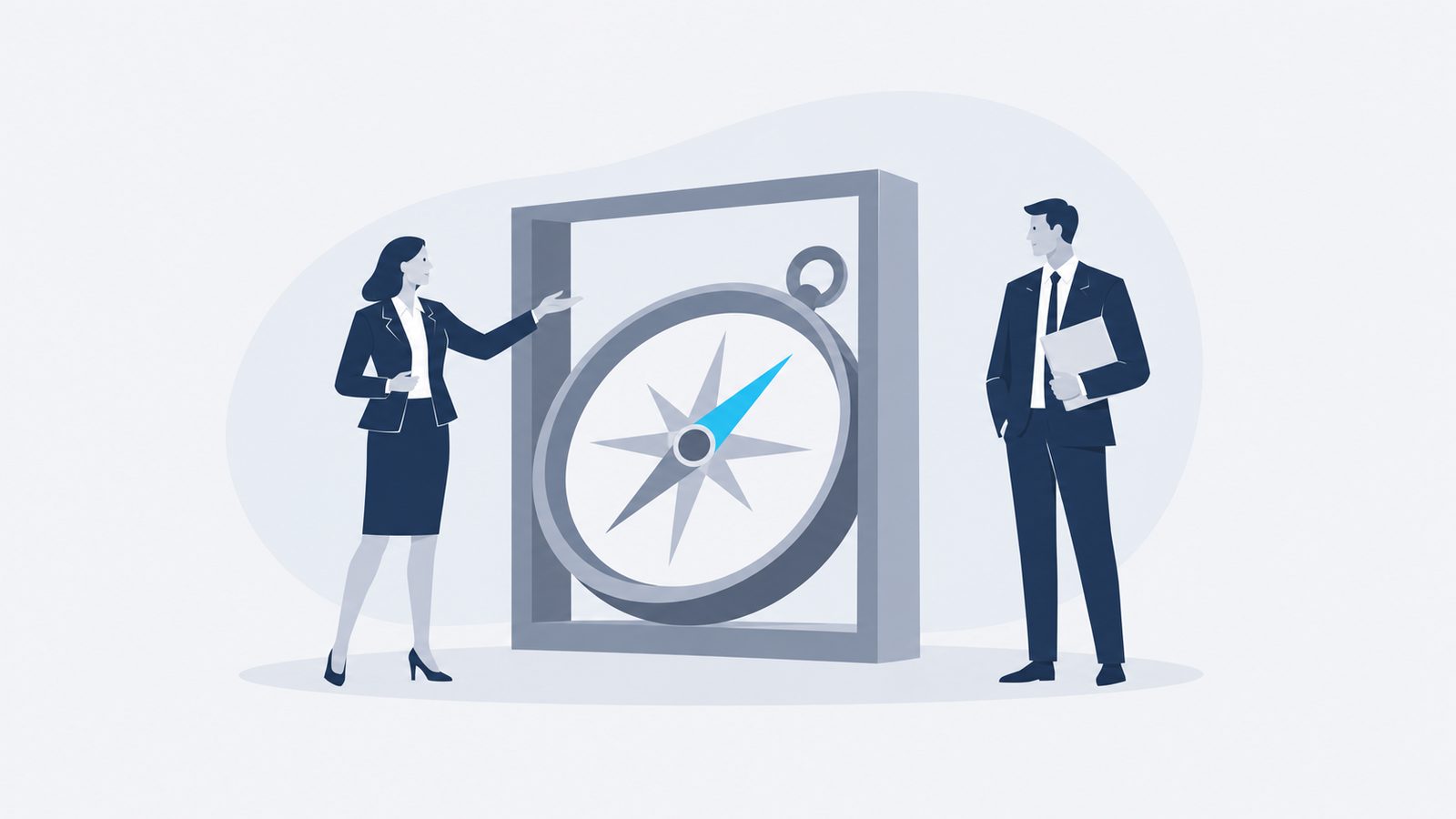
Purpose, success and guardrails give the board a common basis for decisions before a strategy is approved.

Why a family business succession plan has to separate three handovers (ownership, governance, and management), the patterns that stall plans built around a single name, how to read a successor's readiness, and the order in which to build the plan.

For international investors and independent chairs holding Mexican board seats: what board evaluation Mexico now looks like under the 4th edition of the CCE Code, how it compares to the S&P 500 baseline PwC and The Conference Board measured in 2025, and the five questions to bring to the first cycle.

Six preparatory decisions the chair and the evaluation-and-compensation committee should have named before the evaluation begins — mandate, scope, cadence, external facilitation, question set, and how the reading will land — anchored in the CCE's 2025 Code of Best Practices (Article 23) and the G20/OECD Principles of Corporate Governance.

A buyer's read on what organizational design consulting actually delivers when it works — where the shape, the decision architecture, spans, layers, and interfaces meet the mandate — and how to tell a redesign that will hold from one that will drift back within eighteen months.
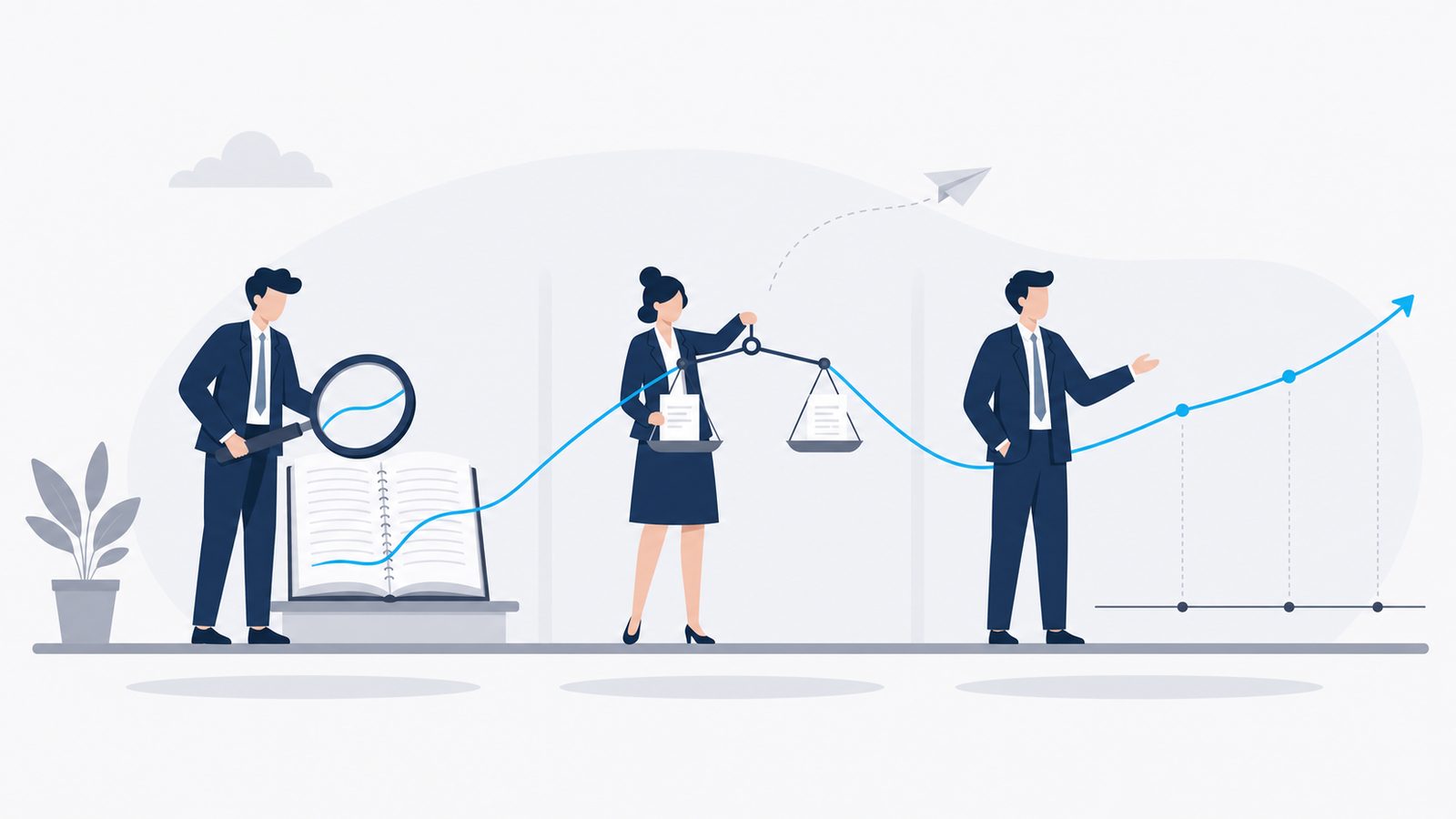
A canon-grounded reading of the three disciplines every board and CEO uses without naming: assessment informs, evaluation decides, appreciation stewards. Why misaddressing the stance is the most common trust failure in talent decisions.

How to compare executive assessment firms on the axes that actually predict useful evaluation: method depth, stance discipline, mandate literacy, appraiser calibration, defensibility.

How the board reads DG succession readiness in Mexican companies: the mandate the seat will hold, the judgment the candidate carries, and the calendar that makes the reading defensible.
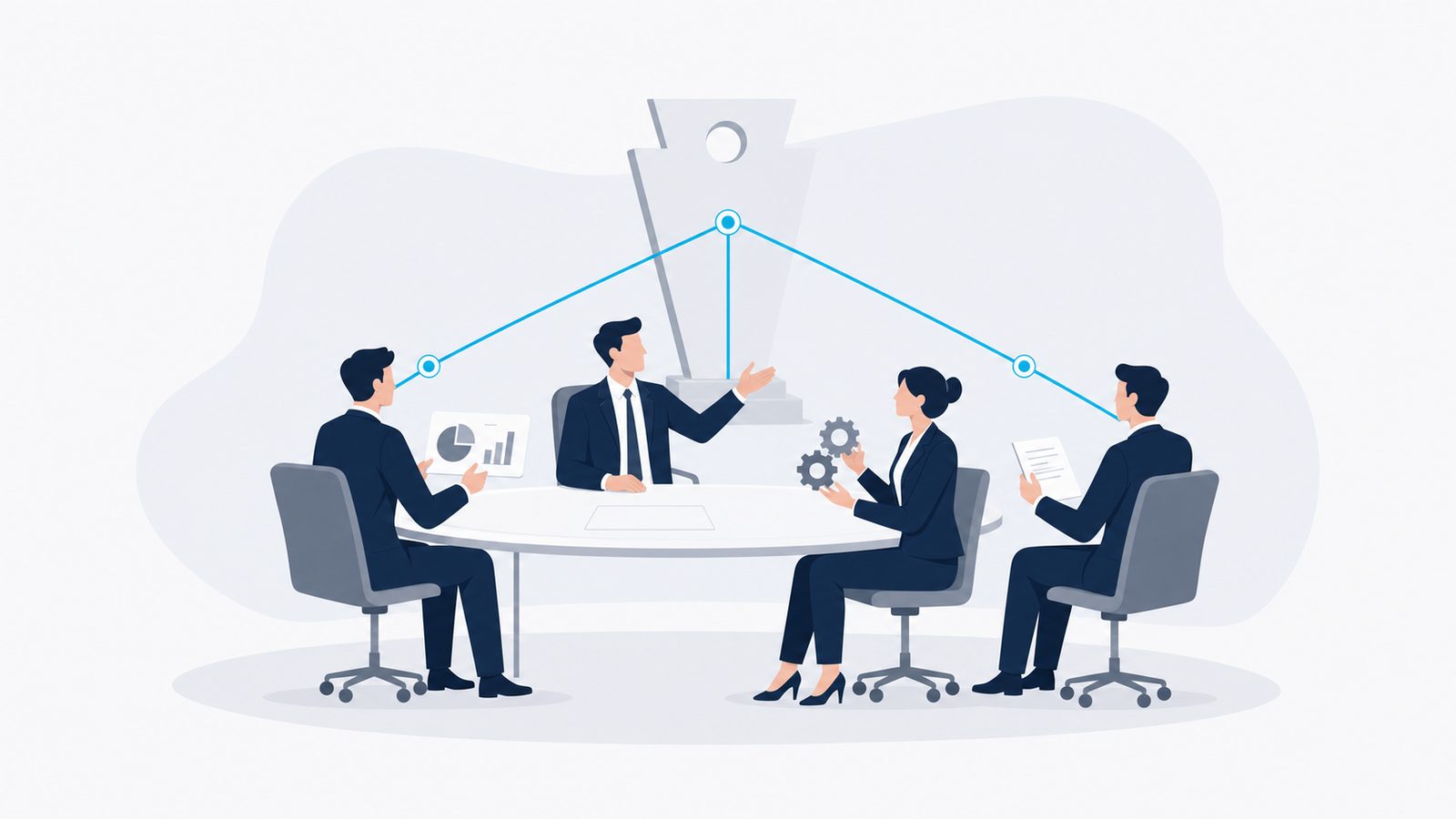
A board effectiveness assessment reads the board as a governance instrument, not a satisfaction survey. What it measures, what it doesn't, when to run it, and how it becomes a decision.

The Consejo Coordinador Empresarial's 2025 code recommends individual-director evaluation alongside board-collective evaluation. Most boards conduct neither well, and confusing the two is the most common failure. Here is what evaluación de consejeros actually reads that a board evaluation cannot.

Flow is not a feeling. It is the built condition of an organization where work, roles, people, purpose, and complexity remain aligned as the enterprise changes. When flow holds, judgment grows. When it does not, capability decays under whatever strategy sits on top of it.

Career Path Appreciation (CPA) is one of the most rigorously validated instruments a Mexican board is likely to encounter, and one of the least well known outside the tradition. Here is what the primary research actually shows — and what a governance decision should do with it.

Personality tests, competency models, performance reviews, and assessment centres are four different instruments that get shopped as if they were one. Boards and CHROs that treat them as interchangeable end up owning a lot of data and no reading of judgment. Here is how to tell them apart.
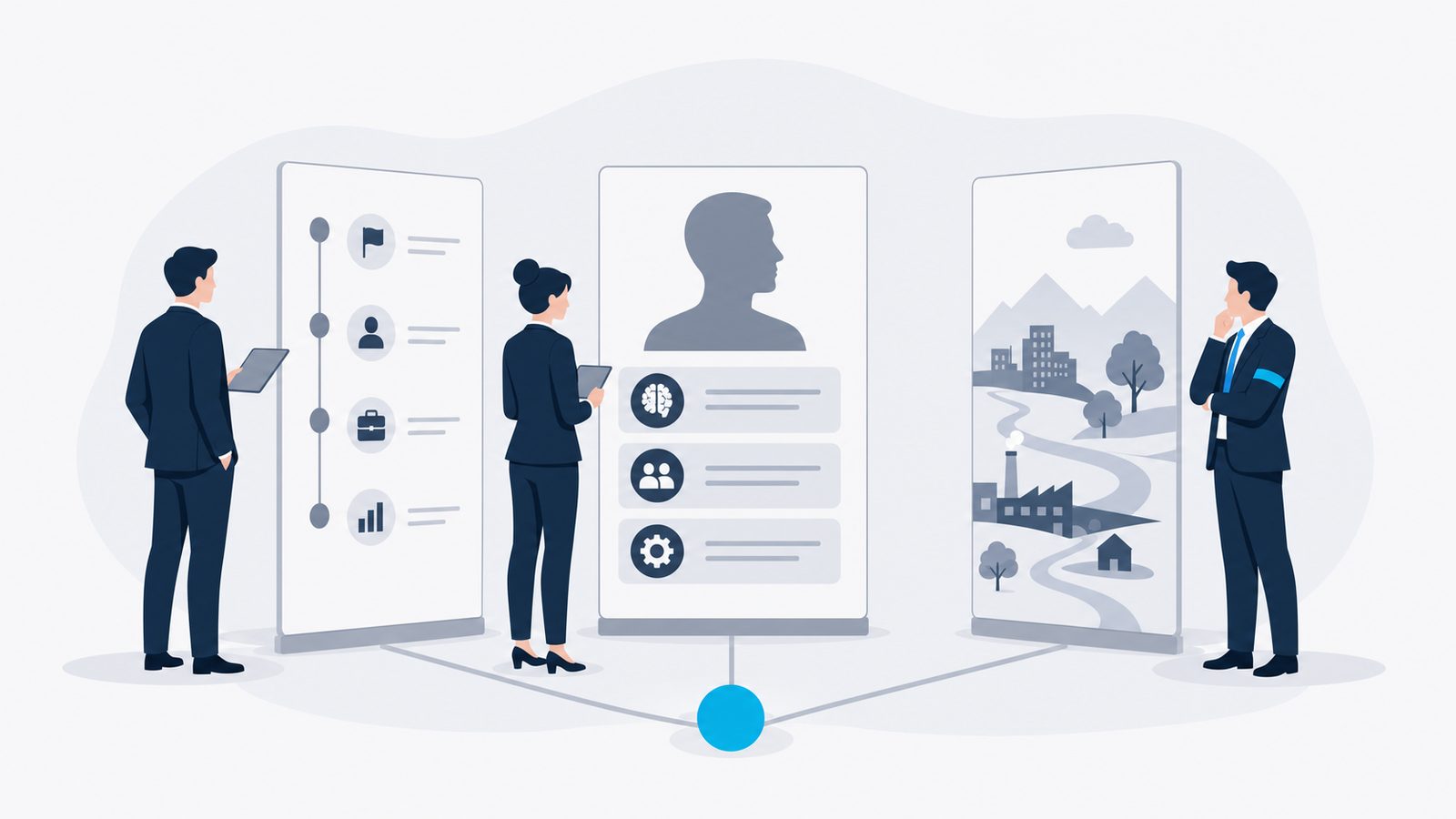
The instruments that get executive judgment right keep three things separate and refuse to collapse them: the work that must be done, the person who will do it, and the context that decides what "done" means. This is why one reading travels across mandates while another does not.

Boards keep confusing achievement with capability. A leadership capability assessment answers a different question — what complexity a person can actually hold — and it changes what the board is prepared to decide.
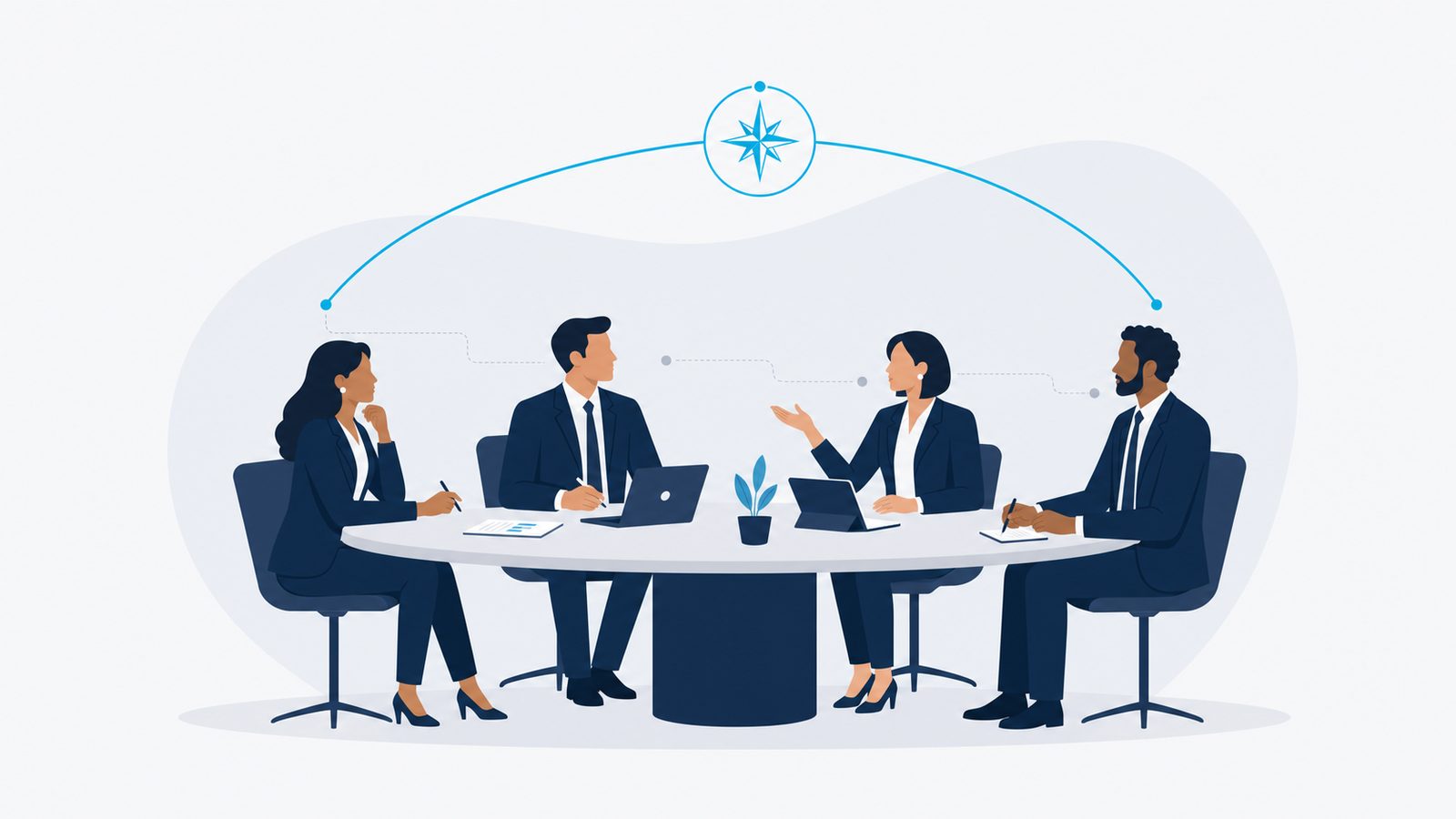
Board evaluation in Mexico is often reduced to a compliance exercise. Done well, it is a governance decision the full board owns — one that decides whether the board is still holding the shareholder mandate as complexity grows.

Individual, organizational, and institutional capability are three different things. The Anker Bioss Framework separates them so boards, owners, and executives can locate where capability is actually breaking — and design the space where the next level can grow.

Decisive people often look most capable when someone else carries the downside. In boardrooms and product rooms alike, talent can appear bold while risk transfers up the chain. That illusion distorts evaluation and weakens systems.

Stewardship is the essential, often overlooked counterpart to management and leadership—and how it sustains culture, purpose, and long-term value.

Mode of Thinking shapes how people solve problems by aligning their natural thinking patterns with complexity and time, driving better decisions.

Pragmatic Intuitive
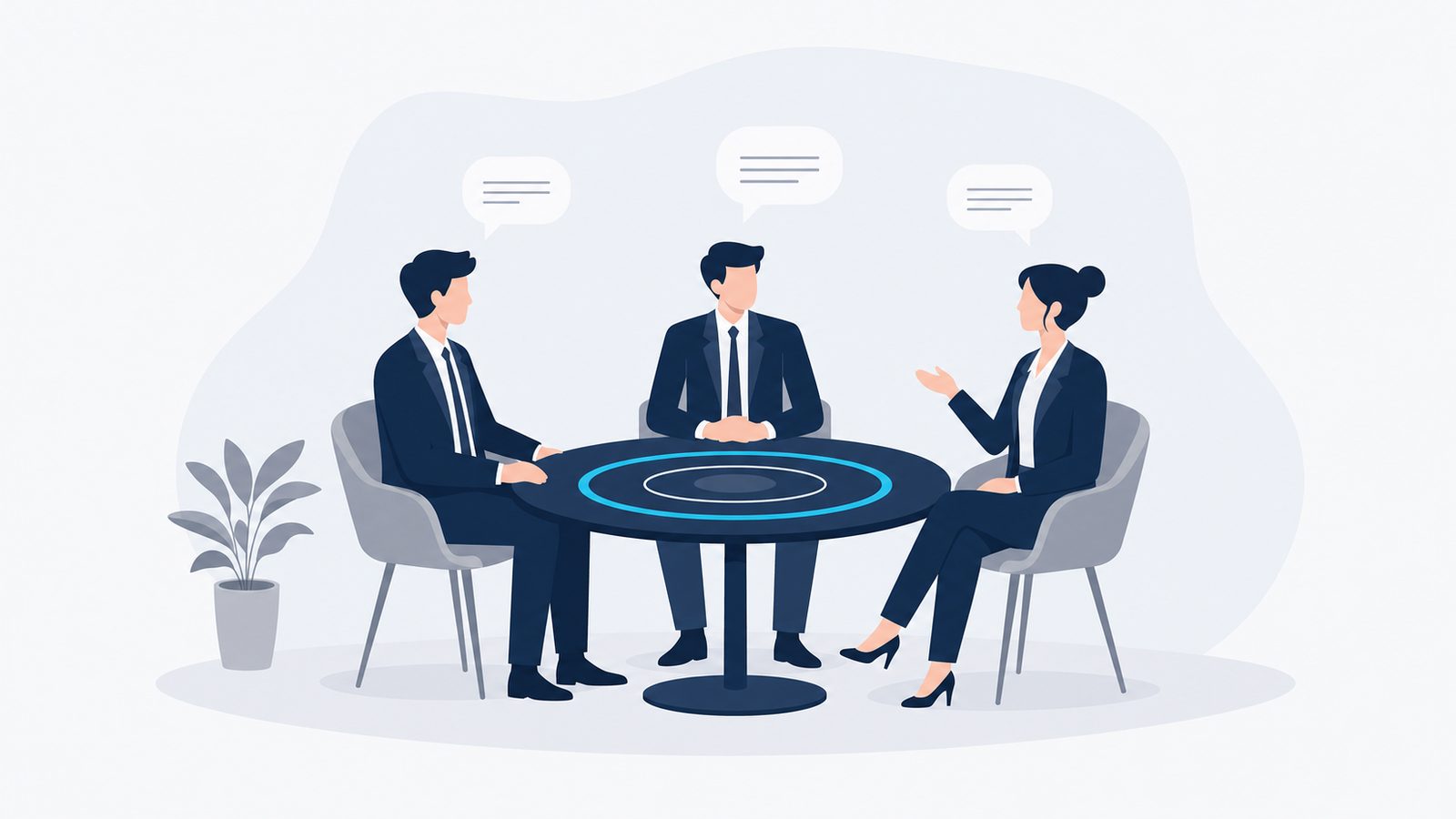
Boards must demand clarity on where we are, plan for risks, and drive strategy forward. Hope for the best—plan for the worst.

Boards and hiring principals routinely conflate three distinct things about a candidate: what the person knows how to do, the judgment they can hold, and the scope of a role they can carry. Read separately, the three explain most costly appointment errors within the first eighteen months.

Aligning Levels of Work with individual Mode is key to unlocking potential, driving engagement, and building stronger, future-ready organizations.

Understand the difference between complex and complicated challenges in business growth through the lens of a neighborhood coffee shop and the global giant, Starbucks.

What constitutes great leadership? How can companies ensure their leaders are consistently effective? The answer lies in having a clear and well-defined leadership model.

Steve Jobs' attention to detail, even in unseen aspects, shaped Apple's culture of excellence. Learn how this mindset can transform your leadership approach.
Other formats
Shorter observations from live engagements, and updates from the firm — clients, cadence, and how the practice is developing.
Talk to the firm
Articles are for signal. The Advisory Model installs the practice — Institutional, Organizational, Individual.